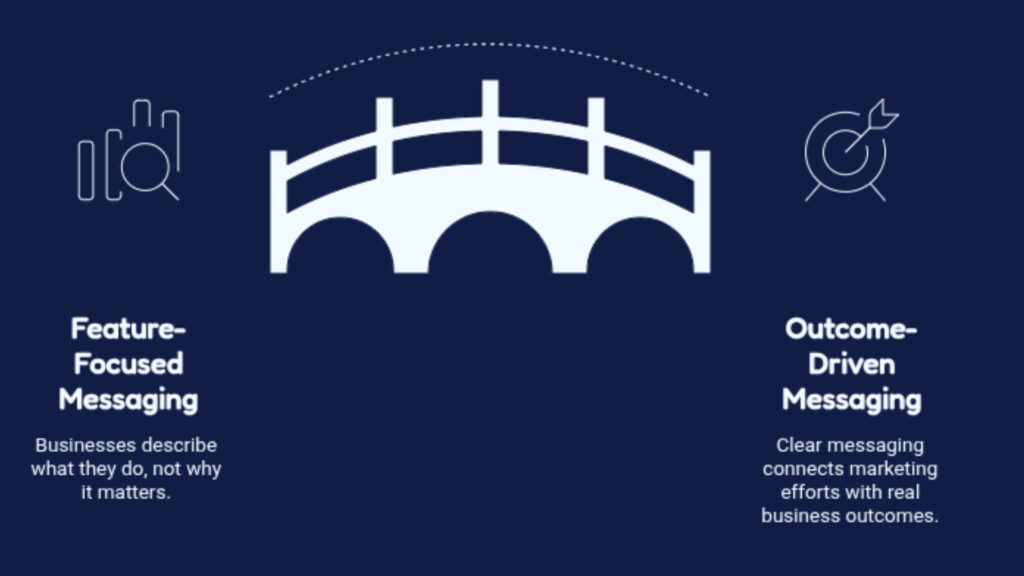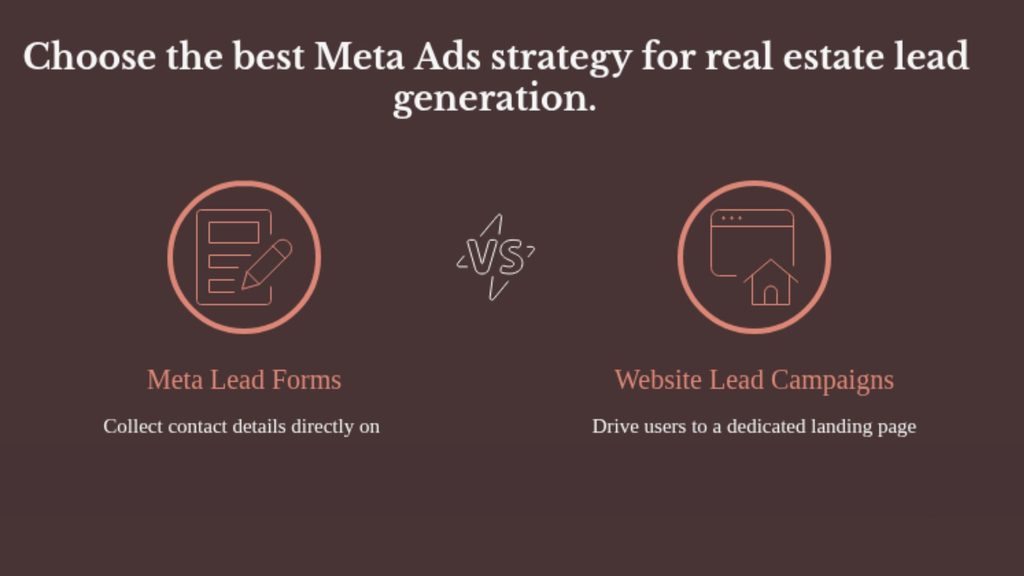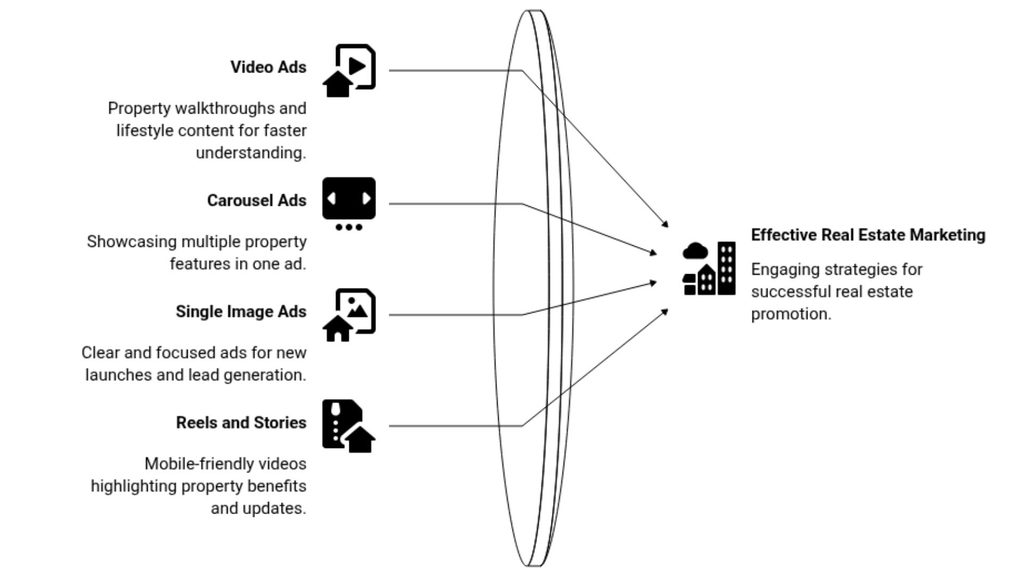
Many businesses generate website traffic and enquiries but still struggle to convert them into paying customers. In fact, the average conversion rate across e-commerce websites is below 2%, showing that attracting visitors alone does not guarantee sales.
The real challenge is reaching people with genuine buying intent and guiding them towards the right action. Performance Marketing Services address this by connecting every campaign to measurable outcomes such as qualified leads, bookings, purchases and revenue.
Through precise targeting, relevant advertising, conversion-focused landing pages and continuous optimisation, performance marketing helps businesses reduce wasted spending, improve customer acquisition and turn more marketing activity into meaningful growth.
Why High-Quality Leads Matter More Than High Traffic
Traffic shows how many people visit a website, but it does not indicate how many are likely to buy. A qualified lead is someone who matches the target customer profile, has a relevant need and is more likely to become a customer.
High traffic can still produce poor results when visitors are outside the service area, lack the required budget or have little buying intent. Similarly, a low cost per lead is not valuable when those leads rarely convert.
Businesses should therefore track:
- Qualified lead rate
- Lead-to-customer conversion rate
- Customer acquisition cost
- Revenue generated per campaign
- Customer lifetime value
The objective is not to generate the highest number of enquiries, but to attract the right prospects and convert more of them into paying customers.
How Performance Marketing Generates High-Quality Leads
High-quality leads do not come from showing more ads to more people. They come from reaching the right audience with the right message, then making it easy for them to take the next step.
Performance marketing brings targeting, messaging, landing pages and tracking together so every campaign can be judged by what it actually delivers: qualified enquiries, bookings, purchases and sales.
1. Targeting People Based on Their Buying Intent
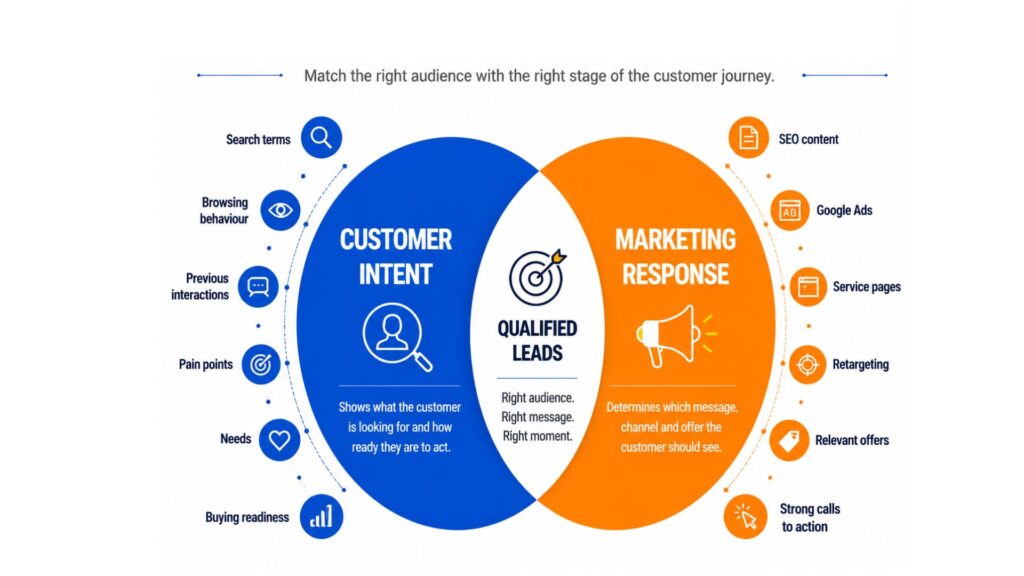
Not every search carries the same level of interest.
Someone searching for “home interior design ideas” may be exploring options. Someone searching for “office fit-out company in Dubai” is far closer to requesting a quotation.
Performance marketing uses search terms, browsing behaviour and previous interactions to identify this difference. Google Ads can reach people actively looking for a solution, while SEO can support users who are still comparing options.
A strong performance marketing strategy creates content for both stages. Informational pages build trust, while service pages and search campaigns capture users with stronger buying intent.
2. Reaching the Right Audience
Better targeting means fewer wasted clicks and more relevant enquiries.
Depending on the platform, campaigns can be refined by:
- Location
- Demographics
- Interests
- Search behaviour
- Website activity
- Customer lists
- First-party CRM data
For example, a local clinic can focus on people within a practical service radius. A real estate company can promote specific properties to users interested in selected locations. A B2B company can target particular industries, company types or decision-makers. As campaign data builds, low-performing audiences can be excluded and stronger segments can receive more budget.
3. Matching Ads With Real Customer Needs
People are more likely to respond when an ad clearly reflects what they are looking for.
A user searching for a specific treatment, training course or business service should see a message related to that exact need. Generic advertising may attract attention, but it often produces weaker enquiries.
The call to action should also match the customer’s level of readiness. It may encourage them to:
- Request a quotation
- Book an appointment
- Schedule a consultation
- Register for a demo
- Download a guide
- View available properties
Clear messaging helps users understand the offer before they enquire, improving both relevance and lead quality.
4. Turning Clicks Into Enquiries With Better Landing Pages
A good ad can still fail if it sends users to a confusing homepage.
Dedicated landing pages keep the journey focused. They should explain the offer clearly, match the advertisement and guide visitors towards one main action.
Key elements include:
- A clear value proposition
- Relevant information
- Strong trust signals
- Simple contact options
- A short, useful form
- A visible call to action
- Mobile-friendly design
- Fast page performance
Lead forms can also improve qualification. A real estate form may ask about budget and preferred location, while a B2B form may ask about company size or project requirements.
Through conversion rate optimization, businesses can test headlines, forms, layouts and offers to see what generates better enquiries.
5. Tracking What Happens After the Click
Clicks and form submissions only show part of the story.
Businesses should track actions that indicate real value, such as:
- Phone calls
- WhatsApp enquiries
- Appointment bookings
- Demo requests
- Purchases
- Qualified leads
- Closed sales
Conversion tracking shows which campaign produced an enquiry. CRM integration shows whether that enquiry became a customer.
This matters because a campaign with fewer leads may still be more profitable if those leads convert at a higher rate. Performance should therefore be judged by lead quality and revenue, not volume alone.
6. Improving Results Through Continuous Testing
Performance marketing is built around ongoing improvement.
Businesses can test:
- Keywords
- Audience segments
- Ad creatives
- Offers
- Landing pages
- Calls to action
- Lead forms
- Bidding strategies
Weak elements can be reduced or removed, while successful campaigns receive more investment.
This cycle helps improve customer acquisition, control wasted spend and keep campaigns aligned with changing customer behaviour, competition and advertising costs.
How Different Businesses Benefit from Performance Marketing
The principles of performance marketing remain consistent, but the channels, messaging and conversion goals should reflect each industry.
Real Estate
Real estate businesses often receive many enquiries, but not every enquiry comes from a serious buyer or tenant.
Performance marketing can improve lead quality through location-based search campaigns, property-specific landing pages, retargeting and CRM tracking.
For example, a company promoting apartments in Dubai Marina can target users searching for that specific property type and location. Instead of directing them to a general property website, it can send them to a page featuring relevant units, prices, amenities and viewing options.
Forms can ask about budget, preferred area, property type and expected buying timeline. This information helps agents prioritise more suitable enquiries and spend less time following up with poorly matched prospects.
Healthcare and Medical Businesses
Clinics, dental practices, diagnostic centres and other healthcare providers can use performance marketing to connect with people actively seeking a particular service.
A dental clinic might create Google Ads campaigns for specific treatments in nearby areas. A diagnostic centre may build individual landing pages for different tests. A medical practice may track calls, online forms and appointment bookings.
Local SEO can also improve visibility when people search for healthcare services near them.
The objective is not simply to increase website traffic. It is to make relevant information easy to find and provide a clear route to an appointment.
Healthcare advertising should remain accurate, responsible and compliant with applicable regulations and platform policies. Campaigns should not use exaggerated promises or guaranteed treatment outcomes.
E-commerce Businesses
For e-commerce brands, website traffic only matters when it contributes to purchases.
Performance marketing can use Google Shopping, paid social campaigns, product remarketing and abandoned-cart activity to bring users back to products they have already viewed.
Campaigns can be evaluated using:
- Purchases
- Revenue
- Average order value
- Cost per acquisition
- Return on ad spend
Conversion optimisation can also improve product pages, checkout steps, delivery information, trust elements and mobile usability.
This helps the business identify which products, audiences and advertising channels generate profitable sales rather than simply attracting visitors.
Education and Training Providers
Education providers need enquiries from students who are interested in the right course, schedule, location and fee level.
Course-specific campaigns can send users to focused pages containing curriculum details, entry requirements, fees and registration options. Providers can track brochure downloads, counselling calls, webinar registrations, applications and completed enrolments.
CRM follow-ups can help nurture prospects who need additional information before making a decision.
By connecting campaigns with enrolment data, institutions can understand which channels generate genuine students rather than only initial enquiries.
Startups and B2B Businesses
Performance marketing for startups helps teams test demand before committing large budgets.
A startup can compare audience segments, messages and offers to determine what generates interest. It can measure demo requests, trial registrations, sales calls and customer acquisition cost.
B2B businesses may combine search campaigns, LinkedIn advertising, educational content, landing pages and CRM tracking. Forms can include qualifying questions related to company size, industry, project requirements or expected timeline.
Once the business identifies a reliable combination of audience, message and offer, it can scale based on evidence rather than assumptions.
Common Mistakes That Reduce Lead Quality
Even well-funded campaigns can generate poor results when common mistakes go unnoticed. Here are the most frequent issues that reduce lead quality:
1. Targeting Too Broad an Audience
Trying to reach everyone often attracts users who have little interest or buying intent. Narrowing your audience based on location, behaviour and demographics leads to more relevant enquiries.
2. Optimising for Clicks Instead of Conversions
A high click-through rate may look impressive, but it doesn’t guarantee sales. Focus on meaningful metrics such as qualified leads, bookings and revenue rather than clicks alone.
3. Sending Traffic to Generic Landing Pages
If your landing page doesn’t match the advertisement or search intent, visitors are less likely to convert. Dedicated landing pages create a more relevant and seamless customer journey.
4. Not Qualifying Leads
Forms that only ask for a name and email may generate more enquiries but provide little insight into whether the prospect is a good fit. Adding relevant qualification questions helps your sales team prioritise genuine opportunities.
5. Incomplete Conversion Tracking
Without tracking calls, form submissions, purchases and CRM data, it’s impossible to know which campaigns are generating real business outcomes.
6. Ignoring Sales Feedback
Marketing teams should regularly review lead quality with sales teams. This helps identify which campaigns attract genuine prospects and which generate low-value enquiries.
7. Scaling Campaigns Too Early
Increasing budgets before validating targeting, messaging and landing pages often amplifies inefficiencies. Optimise first, then scale campaigns that consistently generate qualified leads and sales.
When Should a Business Work with a Performance Marketing Agency?
A business may need specialist support when marketing activity is increasing but leads and sales remain inconsistent.
Common warning signs include rising advertising costs, poor-quality enquiries, incomplete tracking and reports that focus on clicks rather than revenue. Internal teams may also lack the time or expertise to manage paid advertising, analytics, landing pages and conversion optimisation together.
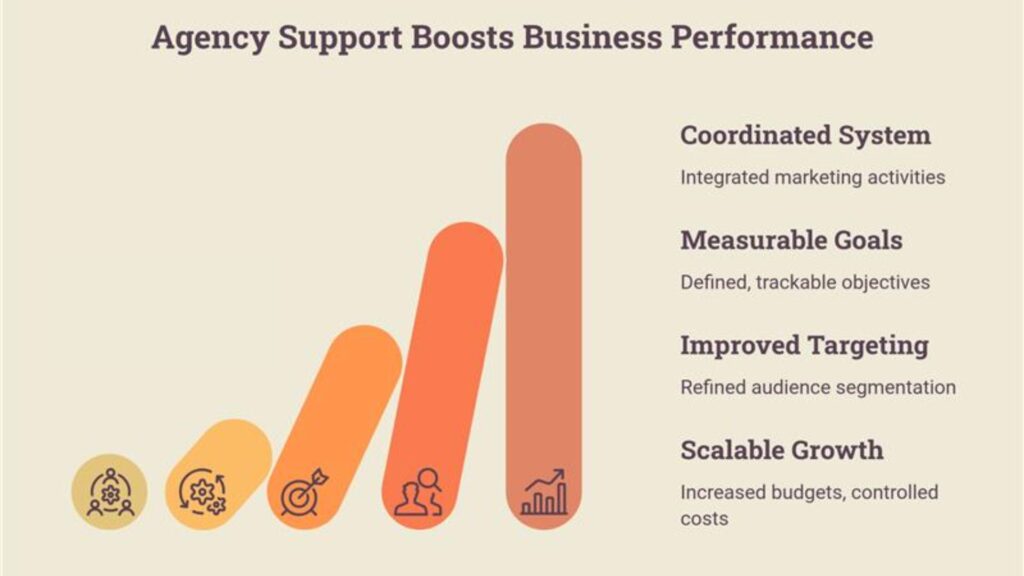
A Performance Marketing Agency can help create a coordinated system across these areas. This may involve defining measurable goals, setting up conversion tracking, refining targeting, improving landing pages and reviewing lead quality with the sales team.
Agency support can also be useful when a business is preparing to scale. Increasing budgets requires an understanding of which channels, audiences and offers can grow without causing acquisition costs to rise sharply.
The right agency should be transparent about performance and connect its recommendations to qualified leads, customer acquisition and sales, not simply impressions or reach.
Final Words
When customer intent, targeting, advertising, landing pages, tracking and sales feedback work together, businesses gain a clearer understanding of where their customers come from and which marketing activities create value.
This is particularly important for startups and growing businesses that need to control acquisition costs and scale with confidence.
Need more qualified leads, not just more clicks? Contact Gateway Marketing Digital helps businesses and startups develop performance marketing strategies focused on better lead quality, measurable growth and increased sales.