WordStream’s 2026 benchmark reviewed 13,474 US-based search advertising campaigns across 23 industries. It reported a median cost per click of $5.42, conversion rate of 8.18%, and cost per lead of $66.69. These are broad US benchmarks, not UAE-specific targets, but they show why clicks and low-cost leads cannot be treated as proof of profitable growth.
Growth marketing services fix failing campaigns by locating bottlenecks across the customer journey, connecting campaign activity with CRM and sales outcomes, improving conversion paths, and testing changes against qualified leads, customers, retention, and revenue. The objective is not simply to generate more submissions. It is to improve the commercial value produced by the marketing system.
A campaign may look efficient inside Google Ads, Meta Ads, or GA4 while losing prospects through weak landing pages, poor qualification, slow sales follow-up, or low retention. Campaign recovery therefore requires a full-funnel view.
Key Highlights
- Campaign recovery begins with full-funnel diagnosis, not isolated channel changes.
- Clicks and leads must be evaluated against opportunities, customers, and revenue.
- The highest-impact bottleneck should be fixed before minor optimizations.
- Controlled experiments replace assumptions with measurable evidence.
- Scaling before fixing conversion problems can multiply wasted spend.
- Scaling before fixing conversion problems can multiply wasted spend.
Signs of a Failing Marketing Campaign
Campaign Performance Warning Signs
Common warning signs include:
- Rising cost per lead
- Declining return on ad spend
- Poor lead quality
- Low lead-to-customer conversion rates
- High landing-page abandonment
- Traffic growth without corresponding revenue
- Low retention or repeat purchases
- Inconsistent performance across channels
- Dependence on one acquisition platform
These metrics must be interpreted together. A higher cost per lead may be acceptable when sales conversion improves, while a lower cost per lead may be harmful when broader targeting attracts unsuitable enquiries.
When the Campaign Is Not the Main Problem
Poor results are not always caused by advertising settings. Weak demand, unsuitable pricing, unclear positioning, limited differentiation, or an unconvincing offer can reduce performance even when the campaign is technically sound.
Campaign execution failure concerns audiences, keywords, creatives, bids, or placements. Funnel failure occurs when relevant prospects encounter weak pages, poor qualification, or slow follow-up. Product-market or offer failure means the proposition itself does not give the intended audience a strong reason to buy.
The Limitations of Traditional Campaign Optimization
Overreliance on Channel-Level Metrics
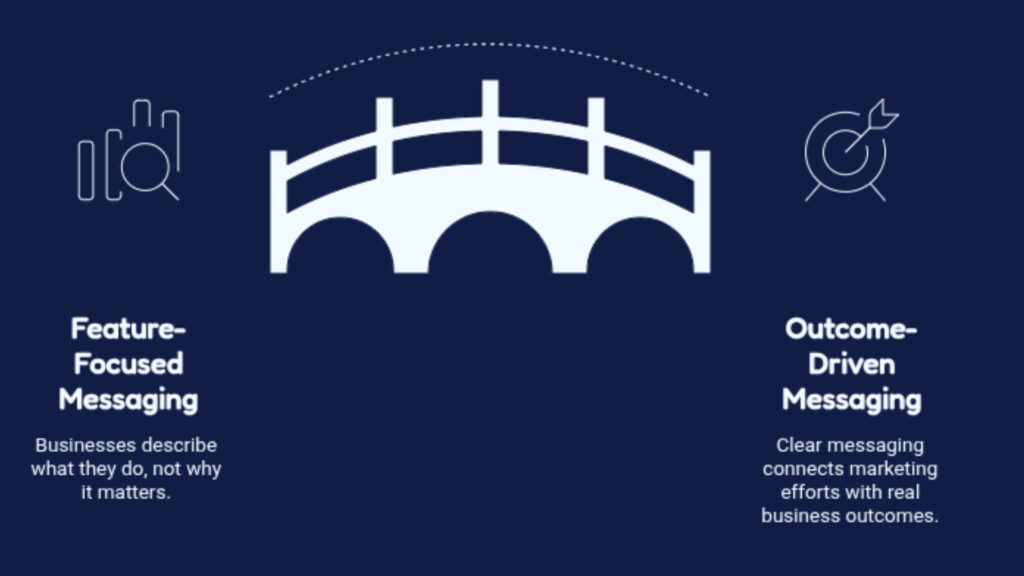
Clicks, impressions, traffic, reach, and low-cost leads measure activity rather than growth. A campaign may reduce cost per lead by widening its targeting, yet most enquiries may lack the budget, location, urgency, or authority required by sales. The campaign looks efficient while cost per qualified opportunity worsens.
Hidden Problems Across the Customer Journey
Weak landing-page messaging, disconnected CRM data, inconsistent qualification, slow sales response, and ineffective nurturing can remain hidden behind good advertising metrics. Changing bids or creatives cannot repair a broken handoff between marketing and sales.
The Risks of Scaling Too Early
Increasing budgets before fixing targeting, conversion, and lead-management problems usually generates more of the same waste. Scaling should begin only after the business can show a repeatable link between spend, qualified opportunities, customers, and revenue.
How Growth Marketing Services Diagnose Campaign Problems
Acquisition and Campaign Audit
The audit reviews Google Ads, Meta Ads, SEO, email, referrals, keywords, search terms, targeting, creatives, budgets, bidding strategies, placements, and conversion settings. Growth teams look for wasted spend, intent mismatch, audience overlap, creative fatigue, and inaccurate conversion signals.
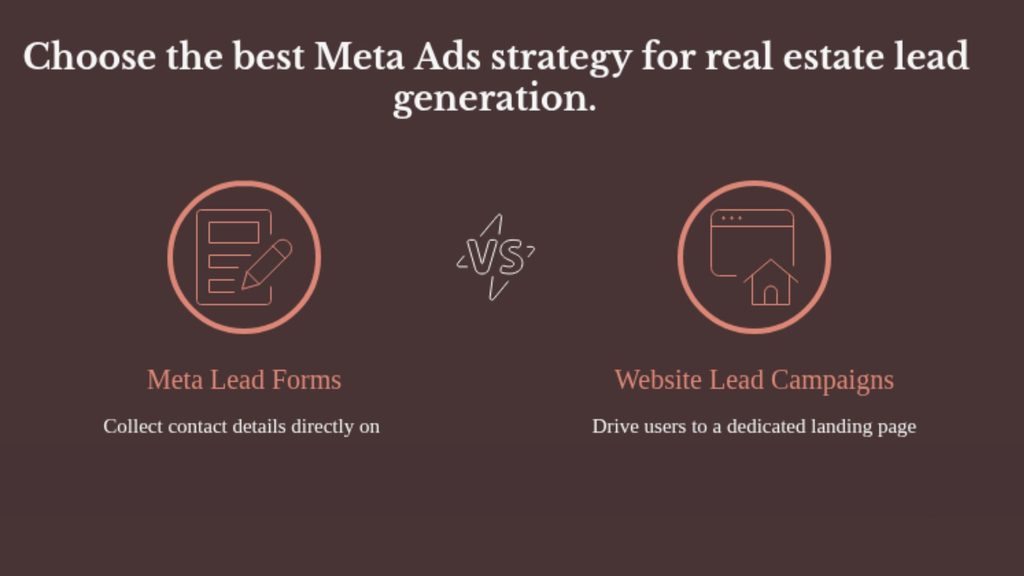
Broad search terms may generate submissions but few sales, while low-cost social lead forms may attract users with little purchase intent. The audit determines which channels and campaign elements contribute to qualified demand rather than surface-level activity.
Landing-Page and Conversion Analysis
Landing-page analysis compares the advertisement’s promise with the post-click experience. Teams review headlines, speed, mobile usability, structure, forms, calls to action, trust signals, and tracking.
Irrelevant visitors may indicate poor targeting. Relevant visitors who engage but do not convert may indicate a weak offer, insufficient proof, unclear messaging, or unnecessary form friction.
Customer Journey Mapping
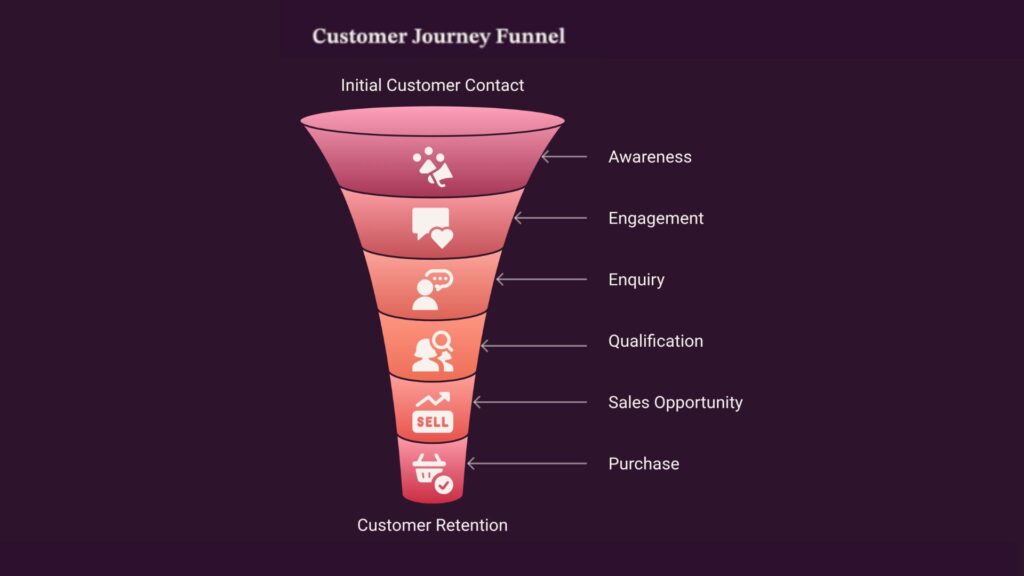
The customer journey can be mapped as:
Awareness → Engagement → Enquiry → Qualification → Sales Opportunity → Purchase → Retention
Relevant traffic may leave because the page is generic, qualified enquiries may stall because responses are slow, and customers may not return when onboarding or retention is weak. Mapping these transitions makes it easier to identify the stage that limits the wider campaign.
CRM and Sales Data Integration
Reliable diagnosis connects GA4, Google Ads, Meta Ads, form submissions, call tracking, lead scores, CRM stages, and closed revenue. GA4 provides attribution-path reporting, Google Ads supports importing offline conversions, and Meta supports CRM connections for qualified-lead optimization. s connection helps distinguish a basic form submission from a qualified lead, customer, or revenue event. It also prevents campaign platforms from treating every enquiry as equally valuable.
Funnel Bottleneck Prioritization
Problems should be ranked by expected impact, effort, confidence, revenue potential, and data requirements. An impact-confidence-effort model keeps prioritization practical.
A broken conversion event usually matters more than a headline test because unreliable tracking affects every later decision. Similarly, slow sales response may deserve priority when landing-page conversion is already strong but qualified leads are not progressing.
How Growth Marketing Services Fix Failing Campaigns
Building a Full-Funnel Marketing Strategy
A full-funnel marketing strategy connects paid media, SEO, content, email, remarketing, landing pages, sales follow-up, onboarding, retention, and referrals around measurable outcomes.
If qualified leads are lost because sales replies take two days, faster CRM routing, response alerts, WhatsApp acknowledgement, and nurturing may improve results more than additional ad spend. Every stage must support the next rather than operate as an isolated activity.
Improving Acquisition Through Performance Marketing
Performance marketing services improve acquisition through search-intent alignment, audience segmentation, negative keywords, creative and offer testing, remarketing, accurate tracking, and CRM-based budget allocation.
The cheapest click or lowest cost per lead is not always the best result. A higher-cost campaign may be more valuable when it produces stronger purchase intent, larger transactions, or greater customer lifetime value. WordStream’s 2026 analysis also notes that higher CPC can be worthwhile when traffic converts effectively.
Budget should therefore move toward campaigns that generate qualified opportunities and customers, even when their initial traffic costs are higher.
Improving Landing-Page Performance Through CRO
Conversion rate optimization is the structured process of improving the percentage and quality of visitors who complete a valuable action.
Growth teams test headline clarity, message matching, page speed, calls to action, form length, trust signals, mobile usability, social proof, and offer clarity. GA4, heatmaps, session recordings, customer feedback, and A/B testing help identify friction.
CRO should increase qualified conversions, not merely make forms easier to submit. Removing qualification questions may increase lead volume while reducing sales value.
Strengthening Lead Generation and Qualification
A stronger lead generation strategy connects targeting, offers, qualification questions, lead scoring, CRM routing, response time, nurturing, and sales feedback. Marketing and sales also need a shared definition of a qualified lead.
A consultation, calculator, audit, assessment, or sector guide can create a clearer reason to respond than a generic “Contact Us” form. The offer must match the visitor’s intent and funnel stage. High-intent search visitors may be ready for a consultation, while early-stage audiences may need educational content before speaking with sales.
Using Growth Experimentation to Improve Performance
Growth experimentation follows a disciplined process:
- Identify the highest-impact bottleneck.
- Develop a measurable hypothesis.
- Select one primary success metric.
- Run a controlled test.
- Analyze the result.
- Document the learning.
- Scale, revise, or stop the experiment.
A team might test a consultation-focused page against a generic service page or compare a high-intent Google Search campaign with a broader Meta lead campaign.
Results should be judged through qualified-lead rate, opportunity creation, customer acquisition cost, and revenue potential rather than lead volume alone. A test that produces fewer but better-qualified leads may be more valuable than one that produces many low-intent submissions.
Adapting Growth Marketing Campaigns for the UAE Market
Providers offering growth marketing services UAE businesses can use must account for regional audiences, languages, communication preferences, and industry-specific buying journeys. UAE localization involves campaign design, not simply adding “Dubai” or “UAE” to ad copy.
Geographic and Audience Segmentation
Dubai, Abu Dhabi, Sharjah, and other emirates can differ in customer concentration, competition, and service availability. Residents, expatriates, tourists, and international investors may also have different needs and decision timelines.
Location-specific campaigns, budgets, landing pages, and offers can improve relevance and measurement. Nationwide targeting remains suitable when service coverage and conversion data support it.
Language, Device and Communication Preferences
Campaigns may require English and Arabic messaging, mobile-first pages, WhatsApp enquiries, click-to-call options, and fast acknowledgement. The appropriate mix depends on the intended customer segment rather than assumptions about all UAE users.
Language should remain consistent from advertisement to landing page and sales follow-up. Mobile and WhatsApp workflows should also preserve lead qualification rather than treating every enquiry as equally valuable.
Industry-Specific Campaign Requirements
Real estate, healthcare, education, e-commerce, professional services, and business setup campaigns have different compliance needs, qualification criteria, sales cycles, and conversion paths.
A property campaign may qualify prospects by budget, location, financing needs, and purchase timeline. An e-commerce campaign can optimize more directly toward purchases and repeat transactions. A healthcare campaign may require more careful messaging, trust signals, and appointment qualification.
Targeting, offers, tracking, and follow-up should reflect the industry and intended audience.
Metrics That Measure Campaign Recovery
| Funnel Stage | Key Metrics | What the Metrics Reveal |
| Awareness | Impression share, reach | Whether the intended audience can see the campaign |
| Engagement | Click-through rate, cost per click | Whether messaging attracts relevant attention |
| Landing page | Conversion and form-completion rates | Whether the page supports visitor intent |
| Lead generation | Cost per qualified lead | Whether acquisition produces suitable prospects |
| Sales pipeline | Lead-to-opportunity and lead-to-customer rates | Whether leads progress commercially |
| Acquisition | Customer acquisition cost | Total cost required to acquire a customer |
| Revenue | Return on ad spend, marketing-sourced revenue | Whether marketing produces measurable income |
| Retention | Retention and repeat purchase rates | Whether customers continue generating value |
| Long-term value | Customer lifetime value | Expected value of the customer relationship |
Acquisition Metrics
Impression share, click-through rate, cost per click, and cost per qualified lead help diagnose visibility and acquisition efficiency. They provide useful early indicators but do not confirm sales impact.
Conversion and Sales Metrics
Landing-page conversion rate, form-completion rate, lead-to-opportunity rate, lead-to-customer rate, and customer acquisition cost show whether traffic becomes commercially useful.
These metrics help reveal whether the problem occurs before the form submission, during qualification, or within the sales process.
Revenue and Retention Metrics
Return on ad spend, marketing-sourced revenue, retention rate, repeat purchase rate, and customer lifetime value reveal whether growth continues after acquisition.
Retention and customer value matter because a campaign with a higher acquisition cost may still be profitable when it attracts customers who purchase repeatedly or remain with the business for longer.
Why Isolated Metrics Can Be Misleading
Consider a hypothetical comparison. Campaign A produces cheaper leads, but few meet the sales criteria. Campaign B produces more expensive leads, yet a larger percentage becomes qualified opportunities and customers.
Campaign A appears stronger in a basic advertising report. Campaign B may deliver higher revenue and a lower effective customer acquisition cost. The final decision should be based on commercial outcomes rather than lead cost alone.
When Growth Marketing Support Is Needed
Performance Warning Signs
Rising acquisition costs, declining campaign performance, inconsistent lead quality, low landing-page conversion rates, difficulty scaling, platform dependence, repeated inconclusive tests, and traffic growth without revenue are common signals.
Professional support becomes more valuable when paid media, landing pages, CRM processes, sales follow-up, and retention all require coordination. These issues are difficult to resolve when each team only reviews its own metrics.
Tracking and Attribution Warning Signs
Support may be needed when decision-makers cannot identify which campaigns generate qualified opportunities, where leads leave the funnel, whether sales follow-up affects results, or which audiences deserve more budget.
GA4 attribution reporting and offline conversion imports can connect more of the customer journey when tracking is configured correctly. strongest signal is often a lack of visibility. Increasing budgets becomes difficult to justify when the business cannot connect campaign spending with opportunities, customers, and revenue.
Conclusion
Campaign recovery depends on solving the most important constraint first. That may be poor targeting, an unclear offer, inaccurate tracking, weak qualification, or slow sales response. Before increasing advertising budgets, businesses should audit the complete funnel. More traffic cannot repair a broken conversion or sales process. Sustainable improvement begins with measurable evidence and ends with qualified customers and revenue.
If your business needs a structured approach to campaign recovery, Gateway Marketing Digital can help identify funnel gaps, improve campaign efficiency, and create a clearer path from marketing investment to measurable revenue through our revenue growth services. To discuss your business goals with our experts, contact us today and discover how data-driven strategies can accelerate your growth.